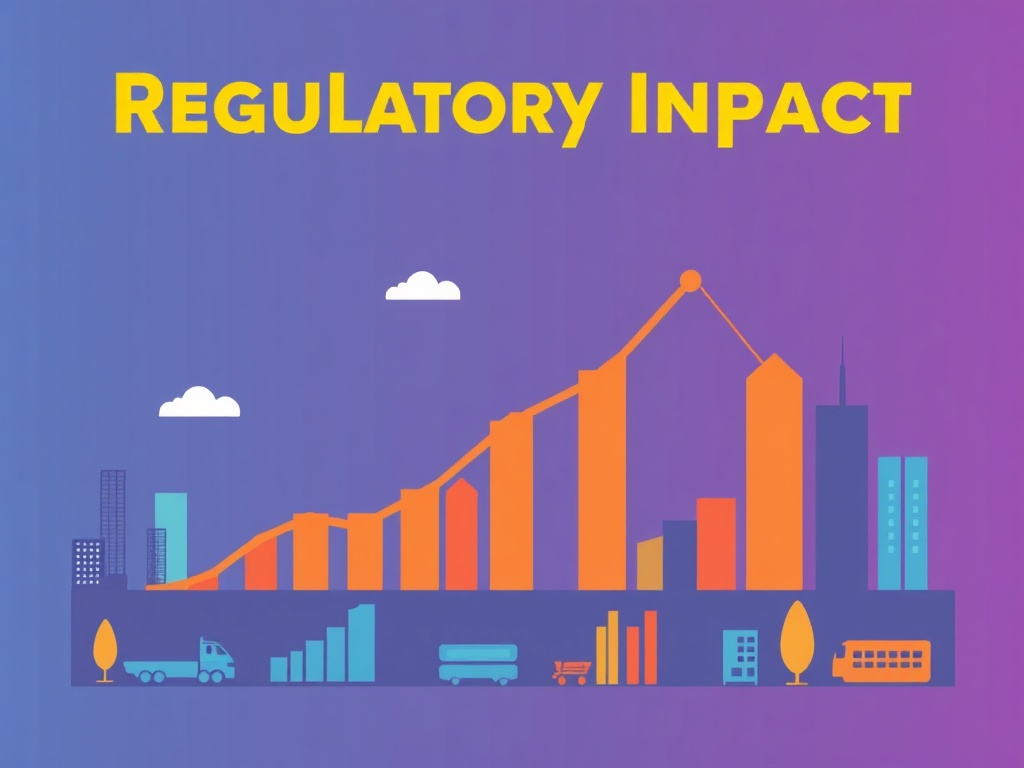
Regulatory impact shapes markets, public safety, and business strategy. Effective regulation protects consumers and the environment while minimizing unnecessary burdens that slow innovation and growth. Achieving that balance depends on rigorous assessment, stakeholder engagement, and adaptive implementation.
What makes a strong regulatory impact assessment
– Clear objectives: Define the problem, the underlying market failure or risk, and the intended outcome. Vague goals make evaluation and enforcement inconsistent.
– Proportionality: Match the level of intervention to the scale and likelihood of harm. Proportional rules reduce compliance burdens for small actors while maintaining protections.
– Evidence-based analysis: Use quantitative and qualitative data to estimate costs, benefits, and distributional effects. Where data are sparse, transparent assumptions and sensitivity analysis are essential.
– Options appraisal: Compare multiple policy options, including non-regulatory alternatives (e.g., voluntary codes, information campaigns) and different timing or threshold choices.
Measuring costs and benefits
Cost estimates should include direct compliance costs, administrative overhead for regulators, and indirect effects such as market consolidation or reduced competition. Benefits often span tangible and intangible outcomes—reduced injury, cleaner air, improved trust—so monetize where possible and present non-monetary benefits clearly when monetization is impractical. Distributional analysis reveals who bears costs and who gains, informing targeted mitigation measures for vulnerable groups or small businesses.
Stakeholder engagement and transparency
Meaningful consultation improves design and compliance. Early engagement with businesses, consumer groups, and technical experts uncovers practical constraints and unintended consequences. Publishing impact assessments, data sources, and modeling approaches builds trust and enables external scrutiny. Ongoing dialogue makes retrospective reviews smoother and more politically feasible.
Adaptive approaches for fast-moving sectors
For rapidly evolving industries—financial services, health technologies, and digital platforms—regulators can use adaptive tools:
– Regulatory sandboxes allow controlled testing of new products under temporary, monitored relaxations of certain rules.
– Sunset clauses or periodic reviews compel reassessment of regulations as markets evolve.
– Tiered compliance frameworks scale requirements based on risk and firm size, supporting startups while protecting users.
Retrospective review and evidence-based reform
Regulations should not be static. Regular retrospective reviews assess whether rules are delivering intended outcomes and whether costs remain justified. Removing or simplifying outdated rules reduces cumulative regulatory burden and frees resources for enforcement of high-priority risks.
International coordination and regulatory coherence
Global trade and digital services cross borders, so coherence reduces compliance complexity and regulatory arbitrage. Mutual recognition, common reporting standards, and harmonized technical requirements lower costs while preserving high standards.
Cooperation mechanisms for emerging risks, such as cross-border data flows or product safety, speed up responses and reduce duplication.
Practical tips for businesses and policymakers
– For businesses: Build regulatory foresight into strategy—monitor policy trends, engage in consultations, and document compliance costs to inform advocacy for proportionate rules.
– For policymakers: Prioritize high-impact reviews, publish clear RIAs, and design enforcement strategies that reward compliance rather than purely punitive approaches.
Regulatory impact is not just about cost-cutting or protection; it’s about designing smarter rules that deliver public goods while enabling productive economic activity.
Thoughtful assessment, transparency, and adaptive tools create a regulatory environment that strengthens trust, spurs innovation, and keeps markets functioning effectively.