When it comes to the global economy, tariffs play a significant role.
As a form of tax imposed on imported goods, tariffs are a vital tool for nations to control their economic conditions and secure their domestic industries. In this article, we’ll cover the ins and outs of tariffs, their impact on international trade, and how they affect consumers and businesses alike.
Tariffs: A Quick Definition
To put it simply, a tariff is a tax imposed by a government on imported goods. It serves as a kind of economic “gatekeeper,” determining the cost of foreign products entering the domestic market.
Tariffs can be levied as a fixed fee based on the type of product or as a percentage of the value of the goods, known as an ad valorem tariff.
Why Do Governments Impose Tariffs?
Governments impose tariffs for a variety of reasons, but one of the primary motives is to protect domestic industries. By making foreign goods more expensive, tariffs can help level the playing field for domestic companies, allowing them to compete more effectively with overseas rivals.
Additionally, tariffs provide a source of revenue for governments. While this is less significant for countries with developed tax systems, it can be crucial for those where income tax collection is challenging.
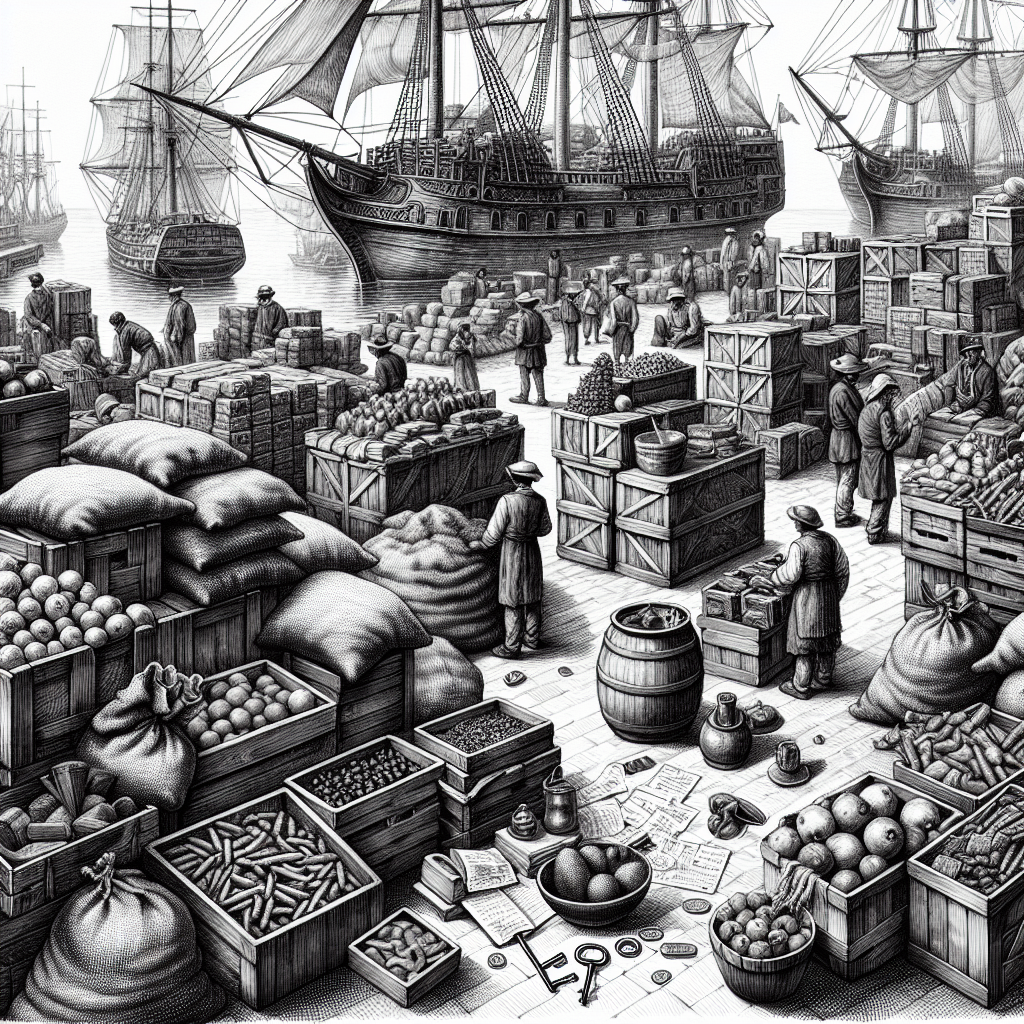
Lastly, tariffs can be used as a political tool. Governments can use them to put economic pressure on other nations, pushing them to change certain policies or behaviours.
The Impact on International Trade
From a broader perspective, tariffs can significantly impact international trade. High tariffs can discourage companies from importing goods, leading to a decrease in international trade volume.
Moreover, tariffs can lead to trade wars between nations. When one country imposes tariffs on another, the affected nation may retaliate by imposing its own tariffs, leading to a cycle that can escalate into a full-blown trade war.
How Tariffs Affect Consumers and Businesses
On the consumer side, tariffs can lead to higher prices for imported goods. When foreign products become more expensive, domestic companies may also raise their prices, thus increasing the cost of living for consumers.
For businesses, tariffs can be both beneficial and detrimental.
Companies that rely heavily on imported goods may face increased costs, which can squeeze profit margins. On the other hand, businesses in industries protected by tariffs may benefit from less competition and increased demand for their products.
Closing Thoughts
In a rapidly globalizing world, the role of tariffs is more critical than ever. While they offer several benefits like protecting domestic industries and generating government revenue, they can also lead to trade wars and higher prices for consumers.
Understanding and navigating the complex world of tariffs is essential for businesses operating in today’s global economy. By staying informed, companies can anticipate changes in tariffs and adjust their strategies accordingly, ensuring their survival and success in an increasingly interconnected world.