One of the most striking aspects of platform economics is its transformative ability to scale. Unlike traditional economic models, platforms don’t just serve existing markets – they create new ones. By connecting sellers and buyers, service providers and users, or even businesses with other businesses, platforms rapidly scale by nurturing these interconnections.
Take, for example, the thriving e-commerce landscape. Platforms such as Amazon, eBay, and Alibaba have created vast marketplaces where sellers and buyers can interact directly. By reducing barriers to entry, these platforms democratize commerce, allowing anyone to sell products to customers around the globe.
Currently, platform economics doesn’t just revolve around the retail industry. It has extended its reach to accommodation and travel services (think Airbnb), ride-sharing (like Uber and Lyft), and even professional services such as freelance work (Upwork, Fiverr).
A pivotal driver behind platform economics is technology.
The rise of the internet, mobile technology, and big data have paved the way for the creation and growth of platforms. Digital platforms leverage technology to connect individuals and businesses, collect and analyze data, and optimize user experience.
The impact of platform economics isn’t just limited to the business world. These platforms have significantly shaped user behavior. For instance, the rise of social media platforms like Facebook, Instagram, and Twitter has redefined how people communicate, share information, and even form opinions.
As valuable as they are, platforms aren’t without challenges. As these digital platforms grow, they bring along with them issues related to privacy, data security, and competition. The concentration of power in a few dominant platforms has also raised concerns about monopolistic behavior and market fairness.
From a business perspective, building a successful platform isn’t a walk in the park. It involves creating a compelling value proposition, building a critical mass of users, and maintaining a balance between different user groups.
Some platforms fail because they are unable to effectively manage these complexities.
Despite these challenges, platform economics continues to redefine the business landscape. It’s expected that in the near future, more industries will embrace this model, unleashing new opportunities for growth and innovation.
In an ever-evolving digital era, understanding platform economics is no longer an option but a necessity. Whether you’re a budding entrepreneur, a seasoned business professional, or an avid consumer, it’s essential to grasp the nuances of this economic model and how it impacts you.
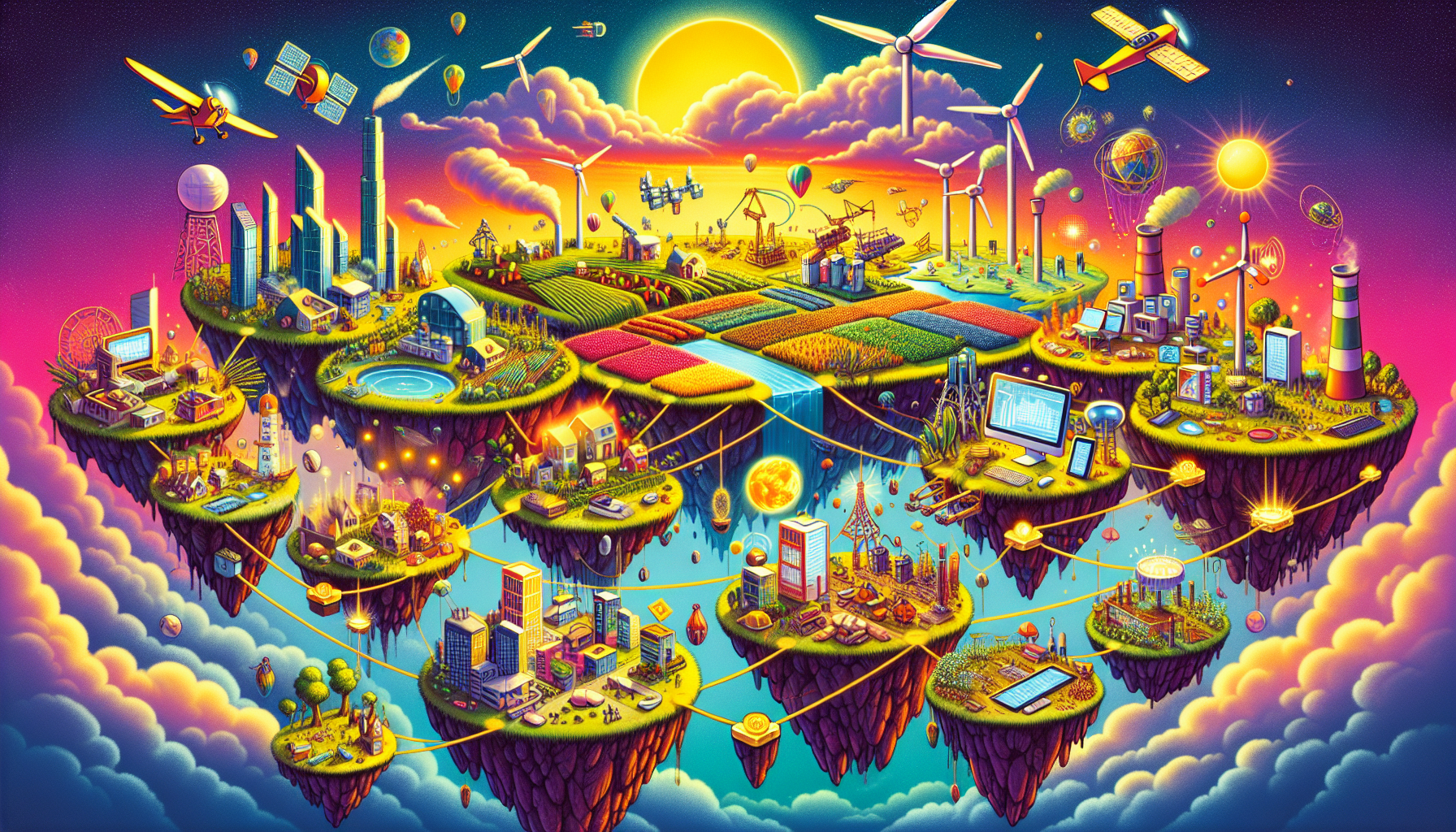
As we navigate through the complexities of the digital age, the concept of platform economics is a beacon that guides us towards a better understanding of modern business dynamics.
So, the next time you’re shopping on Amazon, hailing a ride on Uber, or scrolling through your Facebook feed, remember – you’re participating in the fascinating world of platform economics.